AI photo feedback: how to manage review and close corrections
A guide to separating defects from preferences, assigning owners and verifying corrections in AI fashion photography.
DELFI ·
ai photo feedbackfashion reviewfashion ecommercedelfiai virtual talent
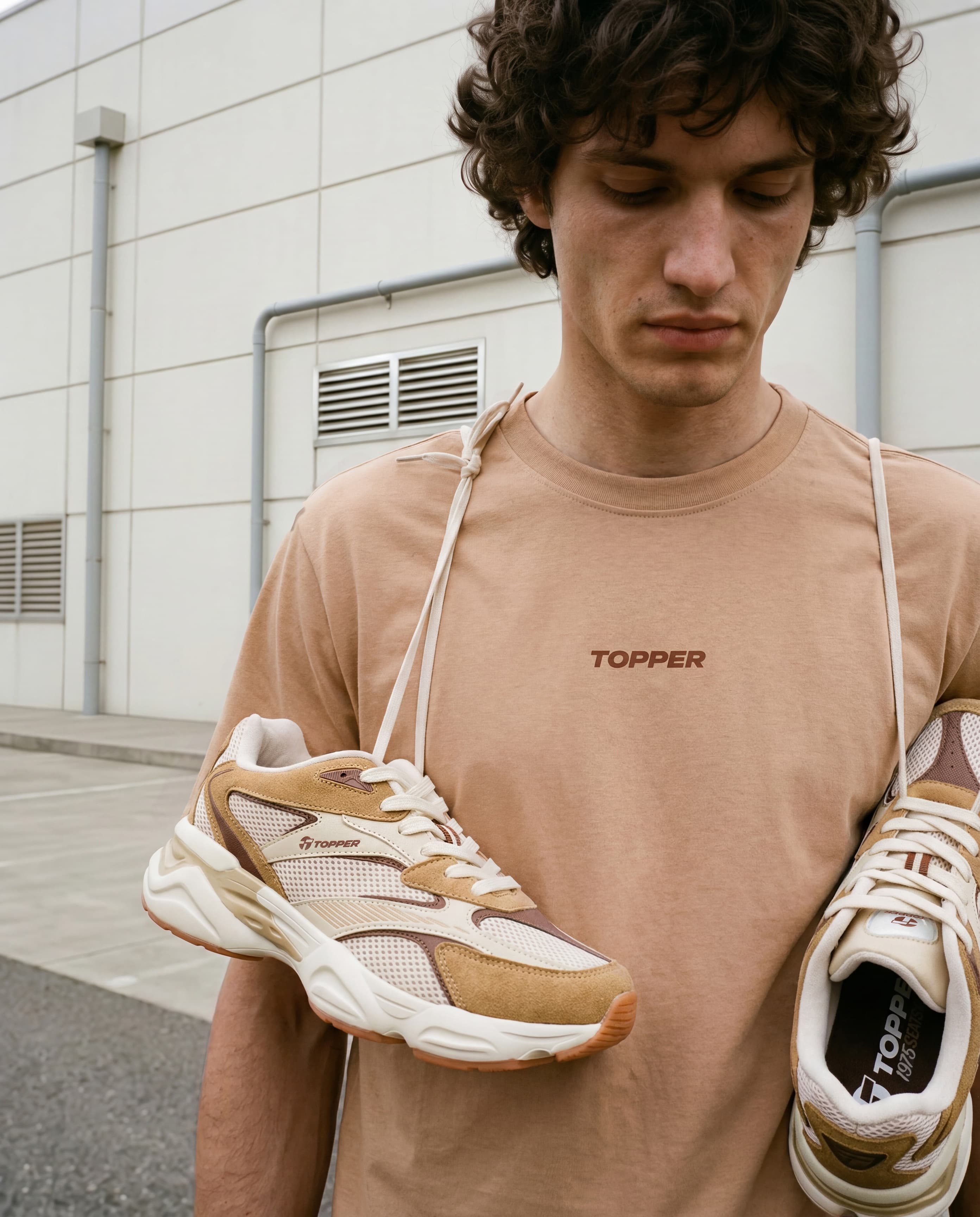
Cover image: production by DELFI for Topper.
Feedback on AI fashion photos needs a review process: classify the issue, consolidate decisions and check the new version. This guide focuses on organizing that work so comments lead to verifiable corrections.
What to check before deciding
- Name the specific visual problem.
- Indicate whether it affects garment, model, styling or channel.
- Separate objective error from preference.
- Use approved references when available.
- Close each round with reusable rules.
To record these decisions in a working document, use AI photo feedback template: examples you can adapt.
Virtual talent and commercial intent
At DELFI, feedback should explain what prevents understanding or wanting the garment. Adjust virtual talent and direction using observable criteria, not endless variants without commercial intent.
DELFI is an AI virtual talent agency focused on online sales. Proprietary virtual models and licensed celebrity digital clones connect with physical garments, visual direction, production and human review.
How to make it practical
As a management rule, document every learning. A mature AI production does not depend on one inspired person, but on visible rules the team can reuse. Approvals, rejections, metrics and well-written comments are the system's quiet fuel.
Practical rule
Useful feedback is not longer. It is more precise. When review speaks the language of the garment, AI produces better. This keeps the comparison focused on what matters: visual consistency, fewer internal hours, and assets that are ready to sell.
Close each correction with verification
When a new version arrives, check the reported defect and whether the change affected another area. Record whether it is resolved, needs evidence or introduces a new preference. Keep an outstanding correction separate from a collection-wide change of direction.
Turn an ambiguous comment into a correction
“It does not match” does not identify the change. Hypothetical actionable feedback: “SKU CAM-01, light-blue variant, front view, version 02: collar construction differs from the product reference; retain pose and background.” This code is illustrative, not a client SKU.
Separate a garment defect from an aesthetic request. Record file, area, evidence, expected change and approver for each correction. When a reference is missing, obtain it rather than request an invented detail.
Review the corrected defect and any areas the change may have affected. Approval criteria by destination.
Related service
Explore DELFI’s fully managed production
Next useful read
AI fashion photo benchmark: how to compare solutions without bias