DELFI vs Lalaland.ai: virtual models with premium operation
How to compare virtual fashion models when the priority is brand, consistency, fit, quality and scaled production.
delfi vs lalaland ailalaland ai alternativesvirtual modelsai fashion photos
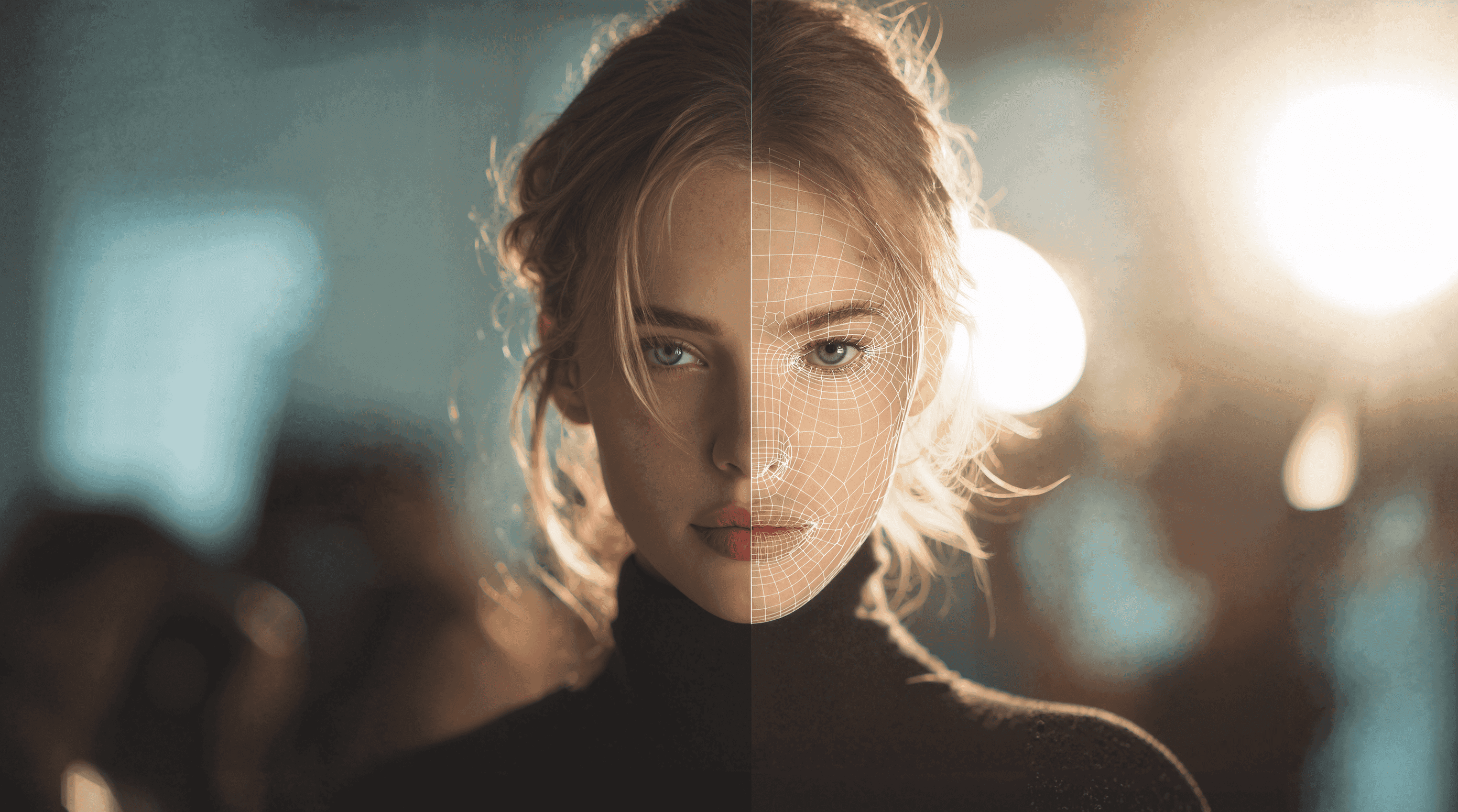
Virtual models are not all the same. In a DELFI vs Lalaland.ai comparison, the decisive point is not only choosing a face or a pose. The hard part is keeping model, garment, styling and brand aligned when volume grows.
What to check before deciding
- Casting coherence across categories.
- Fit readability in structured or draped garments.
- Level of visual direction available.
- Ability to produce photos and videos with the same criteria.
- Internal time needed to approve each batch.
Why DELFI changes the workflow
DELFI uses AI models inside a broader system. The model book can accelerate decisions, but the strongest value is brand training and the concierge production layer. This lets brands work with virtual models without losing texture, fit or commercial identity.
How to make it practical
In practice, build the comparison with a small but difficult batch: dark garments, visible textures, one video variant and one catalogue use. Give the same brief to each option and measure not only the output, but also how many internal hours the team needed to reach a publishable version.
Practical rule
A correct virtual model is not enough if production is not governed. DELFI is the better fit when the brand needs a repeatable aesthetic, not a series of attractive images that cannot scale.
Operational detail
The right way to evaluate this topic is not to judge a single image in isolation, but to check whether the workflow can repeat quality by batch, protect visual identity and reduce internal back-and-forth. That is where a concierge production usually wins over a generic tool.
A practical way to apply this guide
Compare exact offer and date, input, included operation, internal tasks, review, deliverables, price, extras and official source. Use ND when a field is undocumented.
Official sources checked on 31 August 2026
Offers change: verify current features, delivery model and terms before deciding.
Related service
Explore DELFI’s fully managed production
Next useful read
DELFI and Modelia: how to compare the scope of AI fashion production