Input Mastering for AI Fashion Photos: What It Fixes and When It Changes the Result
What input mastering really does, when it is worth using, and why a correction in color, material or reference can transform the final quality of a fashion catalog.
input masteringai fashion photosfashion catalogvisual qualityreal fitfabric textureai productionpremium service
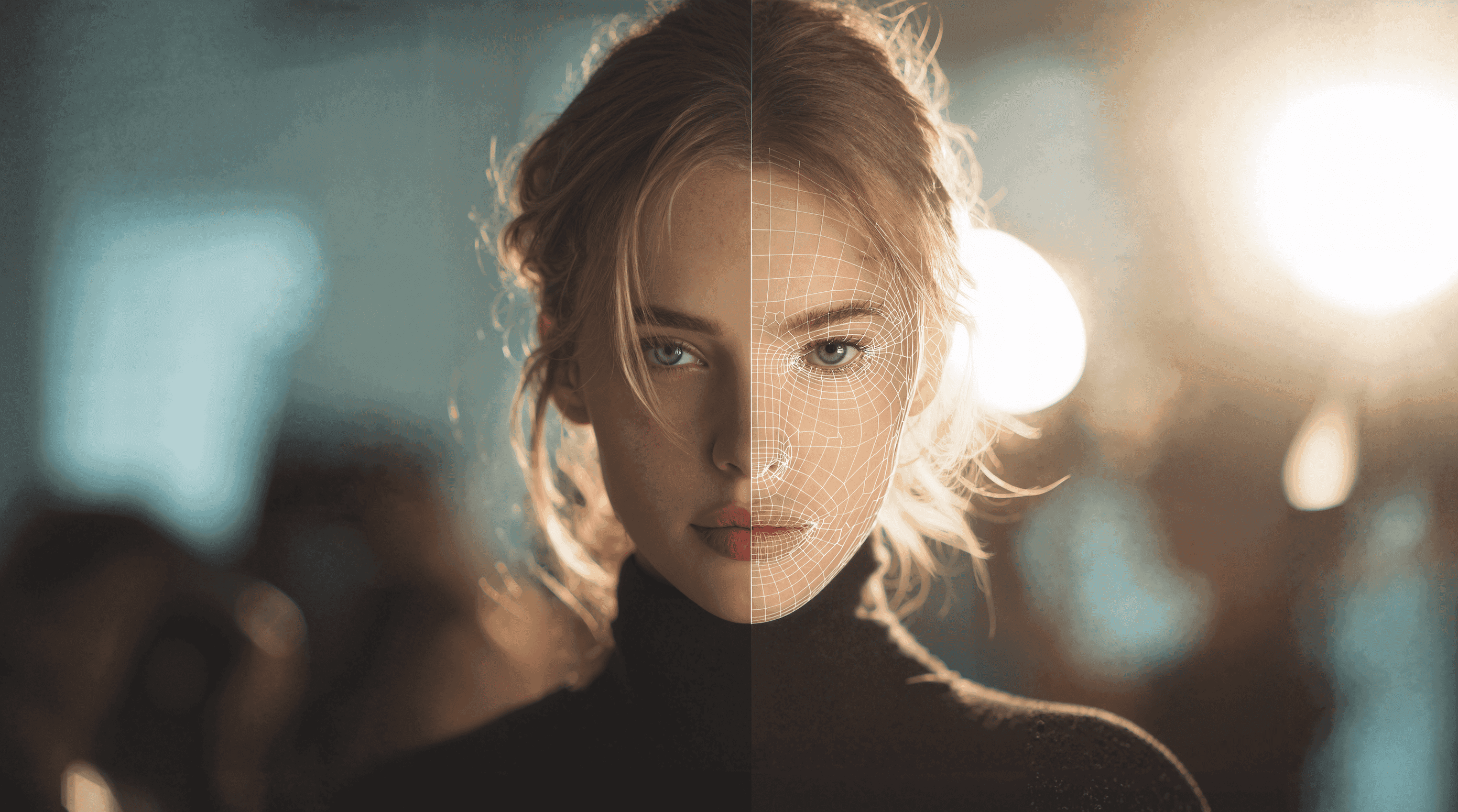
Many productions fail before they start. Not because of the AI, but because of the input: a sample with the wrong color, a reference with strange wrinkles, a garment detail captured badly, or a material that does not represent what the customer will actually receive. Input mastering exists to correct that before production begins.
When it is worth applying
- when the physical garment has localized defects
- when the sample arrives with the wrong color
- when the chosen reference does not represent fit well
- when part of the material needs a cleaner read
- when the team wants to avoid multiplying a small error across hundreds of assets
The goal is not to hide problems. The goal is to prevent a minor defect from contaminating the whole batch. In fashion, a badly defined edge can distort denim. A poorly interpreted fabric can flatten knitwear. And a wrong input color can create inconsistency across PDP, PLP, campaigns, and video.
DELFI treats input mastering as part of a premium production logic. Before scaling, it reviews the base, corrects what matters, and only then trains and produces. That documents inputs before makes the final output feel truly on-brand. For a brand, this is practical gold: a documented garment reference, and a production that feels much easier to run thanks to concierge service. Correcting early is almost always cheaper than correcting at the end.
A practical way to apply this guide
Use an operating card with batch or SKU, input, owner, deliverable, approval condition, fallback and status.
Related service
Explore DELFI’s fully managed production
Next useful read
Input mastering in AI fashion photos: what changes in final quality