AI Production for 200 SKUs in Fashion E-commerce: Anatomy of a Workflow That Truly Scales
A practical breakdown of a 200-SKU AI production for fashion: what to define first, what to lock, and how to scale without losing fit, texture or brand control.
ai fashion productionfashion ecommerce photosai ecommerce videoscatalog workflowsku planningon brand assetsconcierge servicereal fit
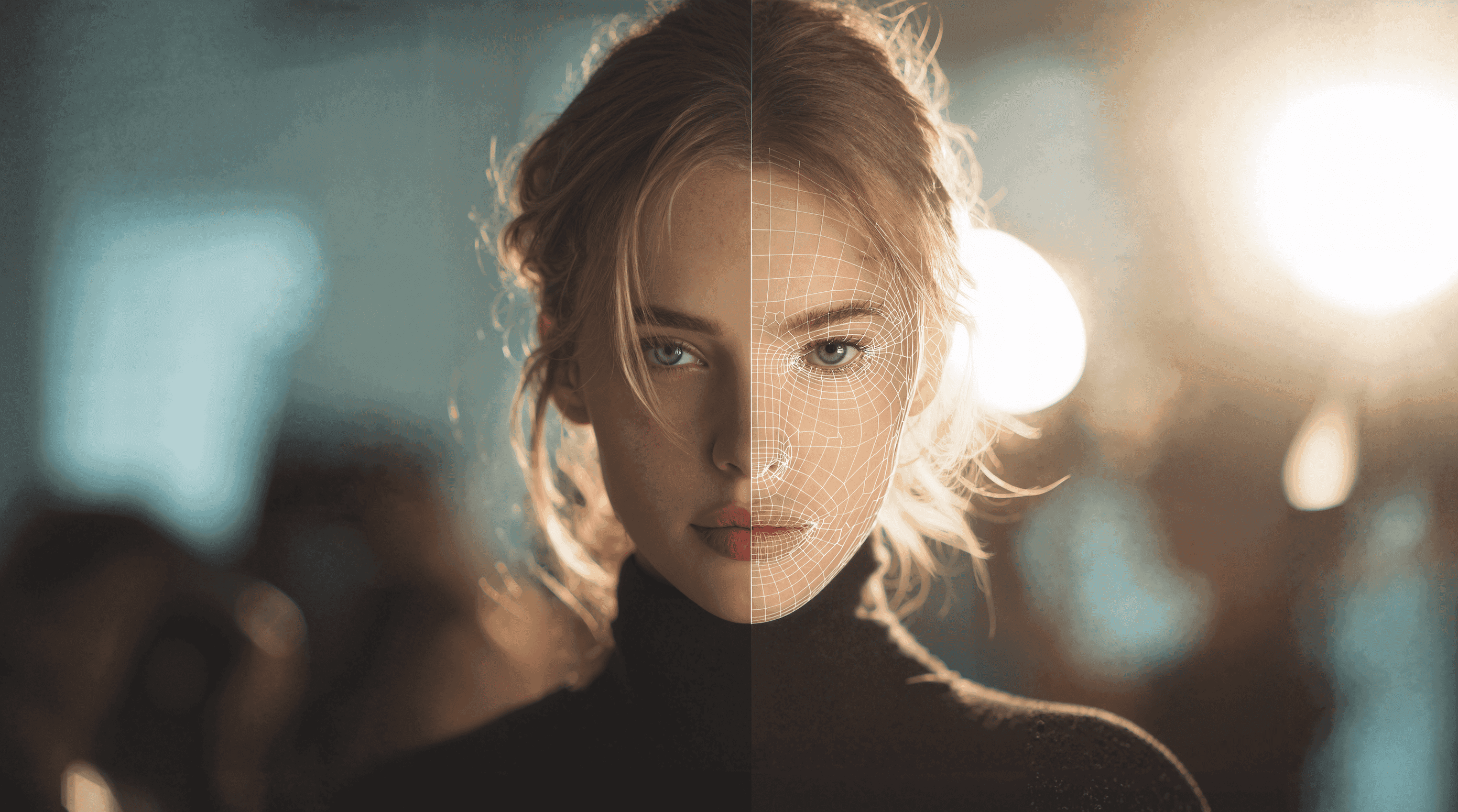
An AI production for 200 SKUs should not be organized around loose prompts. It should be organized around catalog decisions. The healthiest workflow starts by grouping product families, defining approval rules, and capturing strong input. Only then does it make sense to scale. Without that order, a team generates images, but it does not build a visual operation.
A sequence that works
- choose representative SKUs by family
- lock model, angles, distance, background, and delivery rhythm
- define how many assets each SKU needs for PDP, PLP, and video
- document approvals, rejections, and comments with consistent language
- close one batch, learn, and only then multiply
The real challenge sits inside the categories. Denim needs wash, stitching, and tension. Tailoring needs shoulder line, sleeve length, and drape. Knitwear needs texture and volume. Outerwear needs structure and closure. If every family enters the system with the same logic, fidelity drops even when the technology looks impressive.
This is where DELFI makes a practical difference. Its concierge service simplifies logistics: the brand shares garments and references, DELFI captures the input, configures the visual DNA, produces, corrects, and delivers. The AI layer is trained on each brand's fabrics, fit, and style, so the team can scale catalog production in agreed batches without becoming a mini studio. A large production should feel simple, orderly, and repeatable.
A practical way to apply this guide
Use an operating card with batch or SKU, input, owner, deliverable, approval condition, fallback and status.
Related service
Explore DELFI’s fully managed production
Next useful read
How to choose 50 SKUs for your first AI photo production