How to Audit Real Fit in Denim, Tailoring, Knitwear, and Outerwear with AI Photos
A practical guide to checking whether a garment looks faithful in AI images. What to review by category so you do not approve pictures that look nice but sell poorly.
real fit fashiondenim aitailoring aiknitwear aiouterwear aiai fashion photosreal drapevisual audit
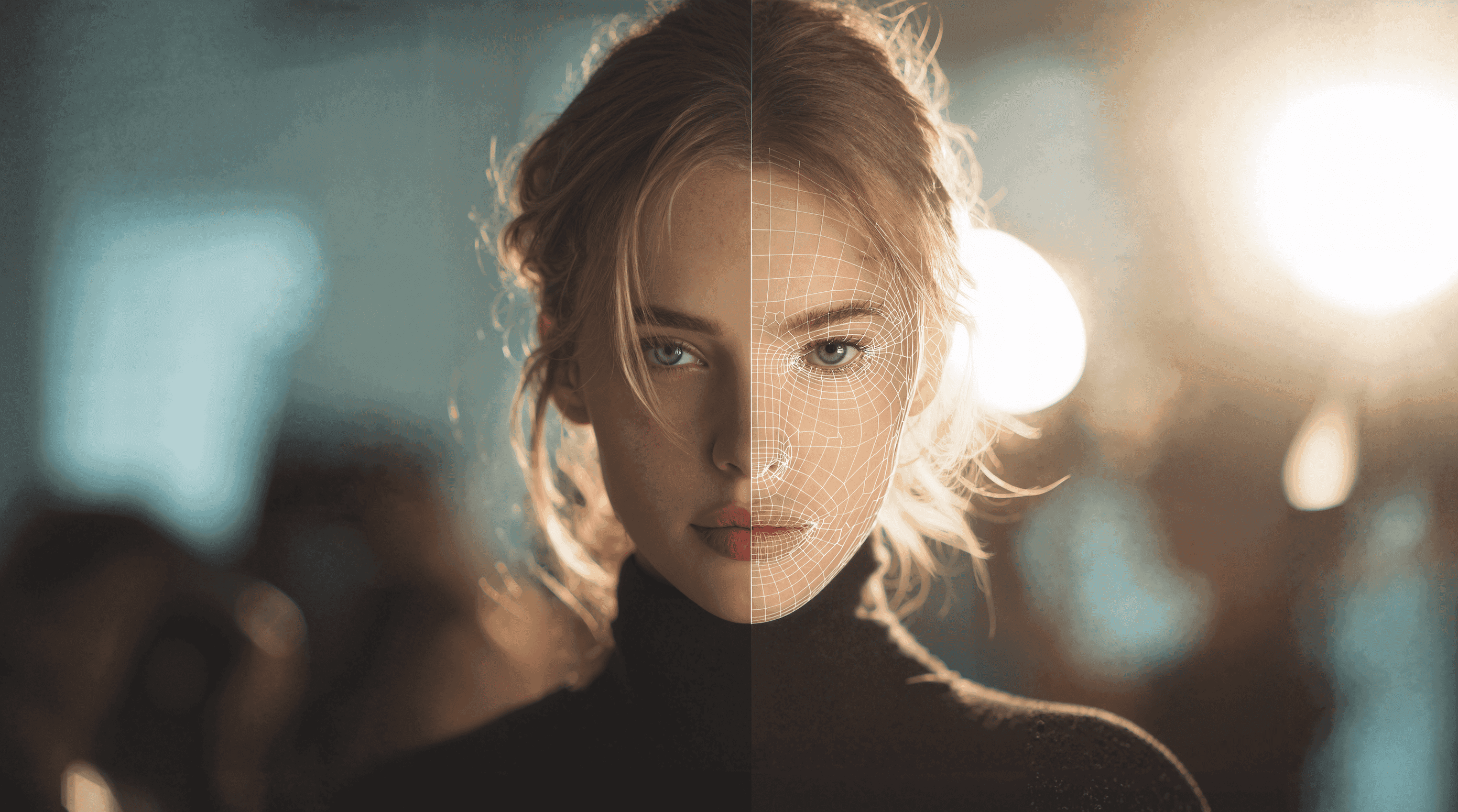
Auditing real fit is not asking whether a picture looks clean. It is checking whether the garment behaves the way it would in real life. That difference affects whether the image is suitable for its assigned catalog use. In fashion, every category has its own signals, so it is better to review them separately.
What to look at by family
- Denim: tension at rise and knee, wash readability, boot fall, waistband balance
- Tailoring: shoulder line, lapel, sleeve length, closure, and structure
- Knitwear: visual thickness, volume, elasticity, and fabric response
- Outerwear: weight, rigidity, closure, collar, and layer behavior
The classic generic-AI problem is a good overall silhouette with weak garment truth. A blazer can look elegant and still fail at the shoulders. A sweater can look attractive and still lose density. A jacket can show form while missing its real weight. That is why fine control matters more than the first impression.
DELFI works exactly at that level of precision. Its system is trained on each brand's fabrics, fit, and style so the fit is not decorative, but commercially useful. And because the concierge service removes most of the production burden, the team can focus on brand decisions instead of logistics. A category-specific review makes the approval criterion explicit across photos, PDP details and video.
A practical way to apply this guide
Use a review record with SKU or asset, reference, observed difference, publication blocker, requested correction, owner and status.
Related service
Explore DELFI’s fully managed production
Next useful read
Checklist for ecommerce directors evaluating AI photos