AI Fashion Photo Pilot: How to Choose 10 SKUs That Actually Teach You Something
An educational ten-garment evaluation of product and AI virtual talent, distinct from DELFI’s 50-SKU production minimum.
DELFI ·
ai fashion pilotpilot skusecommerce photosfashion catalogai test fashioncatalog scalingon brand assetsdelfiai virtual talent
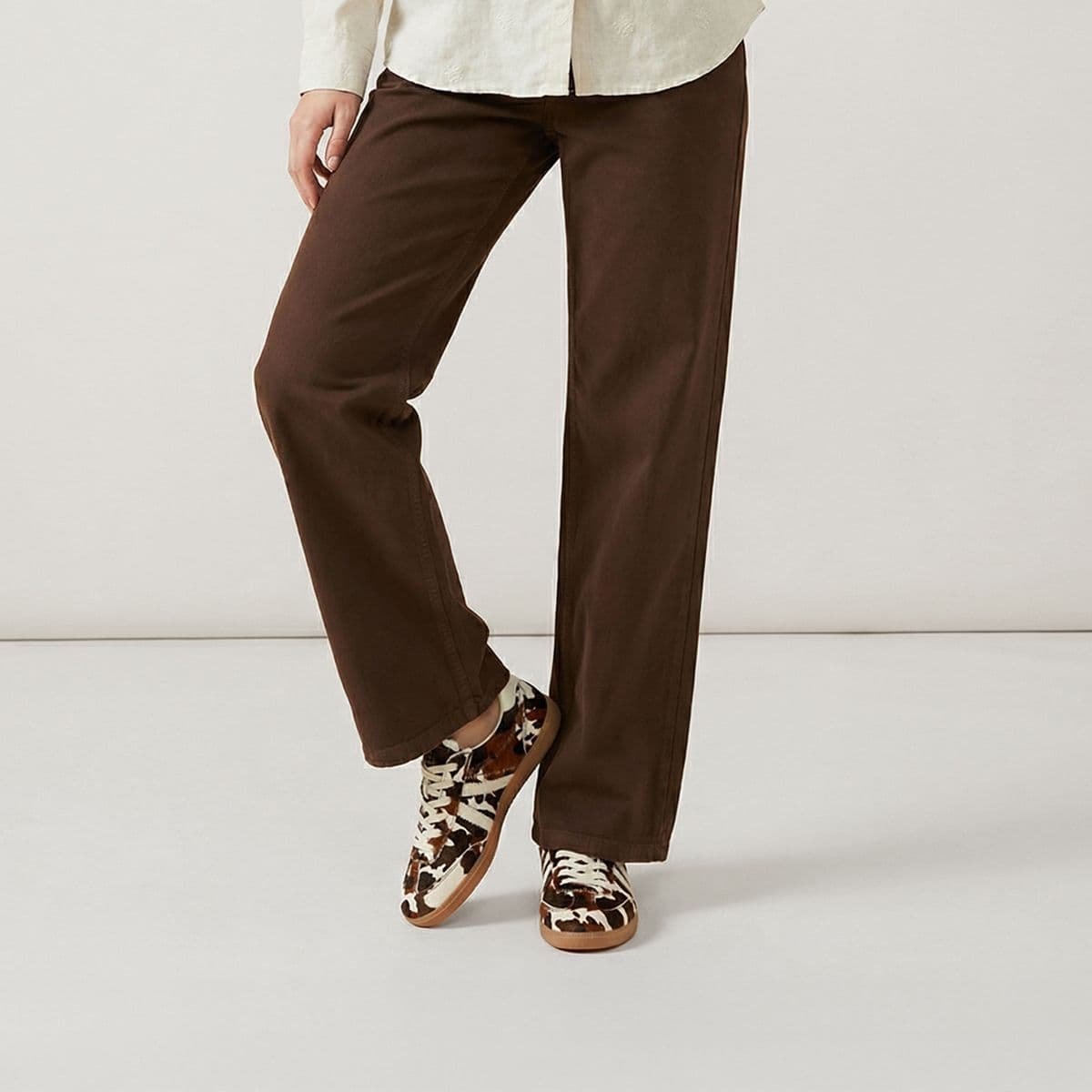
Cover image: production by DELFI for Falabella.
A useful pilot does not choose the easiest SKUs or the prettiest ones. It chooses the garments that reveal whether the system can scale. When the sample is built badly, everything looks fine; when the real collection arrives, the problems finally show up. The first 10 SKUs should be a map, not a casting call.
How to build the selection
- 2 simple basics to measure consistency
- 2 garments with complex texture or fabric
- 2 garments with sensitive fit
- 2 garments with difficult color or wash
- 2 hero SKUs with real commercial weight
That mix shows whether the AI responds equally well to easy, delicate, and high-stakes products. It also helps validate how many assets per SKU are worth asking for: only PDP, or also PLP, detail, and video. A good pilot is not trying to impress. It is trying to learn where the brand gains speed and where it still needs tighter control.
DELFI fits this stage well because it does not force the team to build a new operating layer. With concierge service, the brand shares garments and references, and DELFI handles capture, setup, production, and corrections. Its brand-specific training in fabrics, fit, and style also makes the pilot a real base for scaling to catalog production in agreed batches. The right question is not whether AI can make one pretty image. The useful question is whether it can become a reliable, repeatable operation for real launches.
Virtual talent and commercial intent
A useful DELFI evaluation tests how virtual talent presents difficult products and answers shoppers’ questions. Ten evaluation references do not mean a ten-SKU production contract.
Choosing ten SKUs for an evaluation
A ten-SKU sample can support an educational evaluation; it is not a DELFI commercial offer or a replacement for its 50-SKU minimum. Select a range of risks, not just easy garments.
Hypothetical selection: two patterned garments, two knits, two structured pieces, two with brand details and two difficult colors. If a category is absent from your collection, substitute a real catalog risk. Identify variants and views; a different colorway does not establish the exact shade.
Before producing, define the approver and blocking defects for each SKU. Keep rejected outputs and reasons at the end. A small sample can expose problems, not estimate conversion or guarantee quality across the collection. Preparing references.
Related service
Explore DELFI's production modes
Next useful read
AI production tracker for 200 SKUs: batches and status