How to organize AI photos and videos for a 200-SKU production
A practical planning example for 200 SKUs: inventory, batches, formats, review and delivery without confusing products with image counts.
200 sku productionai catalog photos and videosbatch visual production
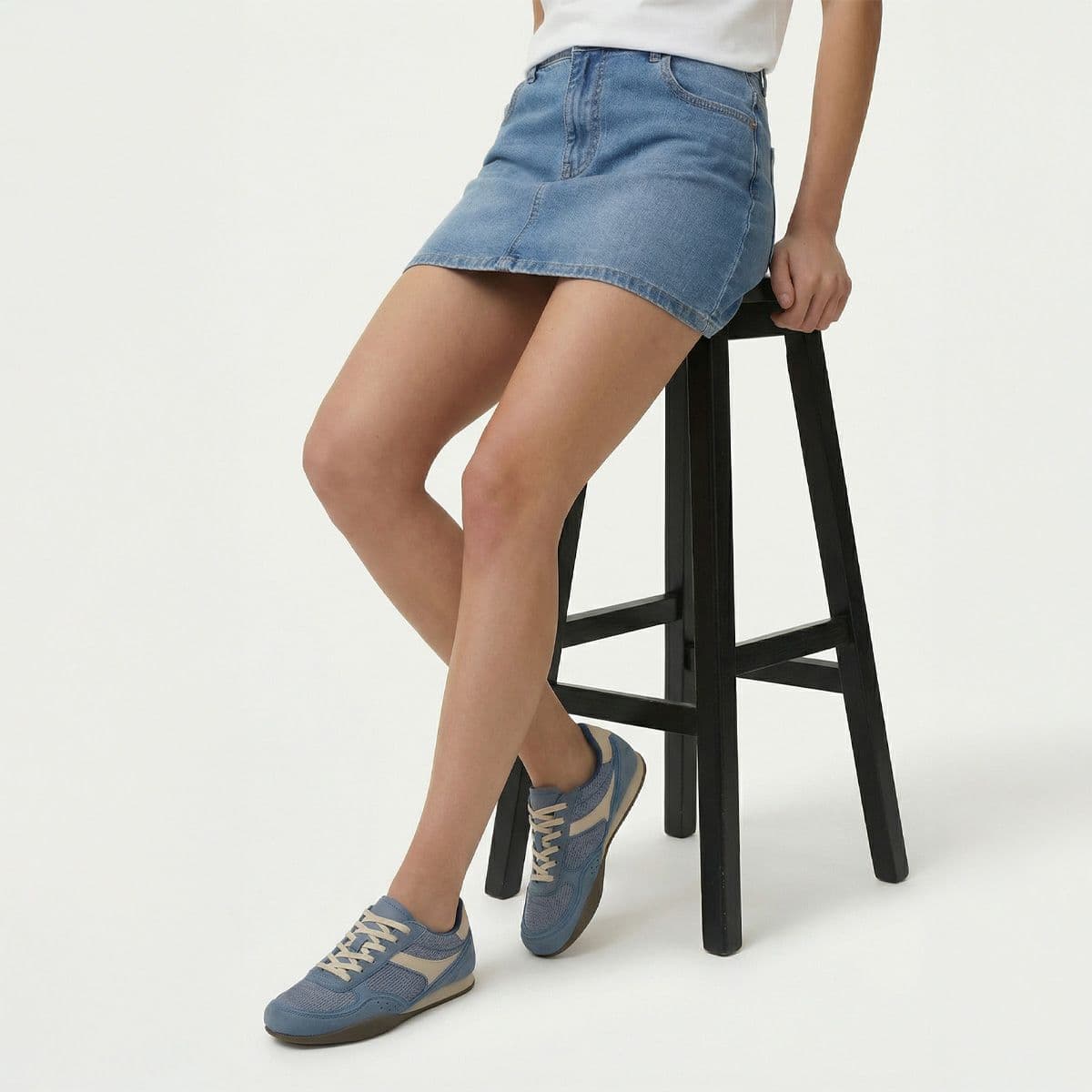
To produce AI photos and videos for 200 SKUs, first define what each product needs and how it will be approved. Two hundred SKUs do not mean two hundred images: a garment may require multiple views, while another also needs video. The workflow below is a planning example, not a measured client result.
Build a deliverable inventory
For every SKU, record category, variant, physical garment availability, required photos, any video, channels and priority. If the color changes, decide whether it needs its own record and references. Keep unavailable products separate from urgent launch items.
Group the collection by difficulty and dependencies
As an example, 200 SKUs could be organized into four batches of 50. The first should represent the whole collection’s complexity, not only basics. Use its lighting, model and styling decisions to inform later batches without assuming every product needs identical treatment.
At DELFI, 50 SKUs is the production minimum. The actual batch structure and schedule depend on the collection and agreed deliverables.
Estimate files rather than promising volume
If each SKU hypothetically required three photos, the scope would be 600 photos before videos or adaptations. This is planning arithmetic, not a standard package or delivery guarantee. Define what counts as a new photo and what counts as a format adaptation.
Review by status
- Awaiting references or garment.
- In production.
- In product and brand review.
- Corrections requested.
- Approved and delivered.
The approver should identify the SKU and version without opening every file. Consolidate feedback by batch and distinguish product blockers from styling preferences.
Finish with a verifiable handoff
Compare the delivery against the agreed inventory. Check naming, formats and variant matching as well as visual quality. DELFI manages production and human quality control; your brand validates which assets are ready to publish. Do not publish an incorrect variant just to complete a folder.
Real production example: DELFI × Falabella
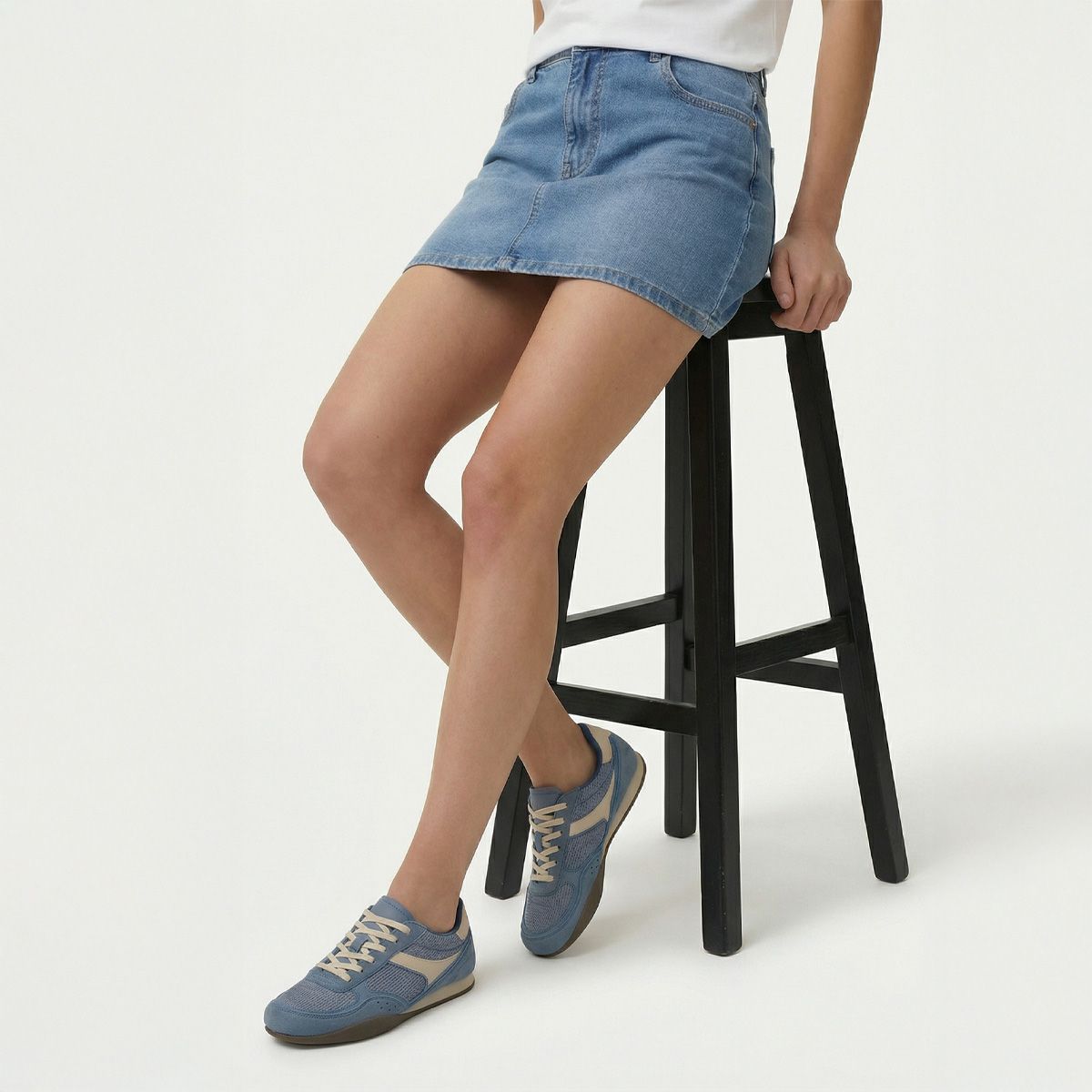
The following material was produced by DELFI for Falabella. It illustrates visual direction and deliverables, not measured sales results or a comparison against the original garment.

Explore the source case and more examples
A practical way to apply this guide
Use an operating card with batch or SKU, input, owner, deliverable, approval condition, fallback and status.
Related service
Explore DELFI’s fully managed production
Next useful read
AI Fashion Photo Pilot: How to Choose 10 SKUs That Actually Teach You Something