Quality control in AI photos: reviewing fabric, fit and color
Review fabric, color, fit and virtual talent before using an image to sell a garment in ecommerce or campaigns.
DELFI ·
ai photo quality controlfabric fit colorfashion ecommercedelfiai virtual talent
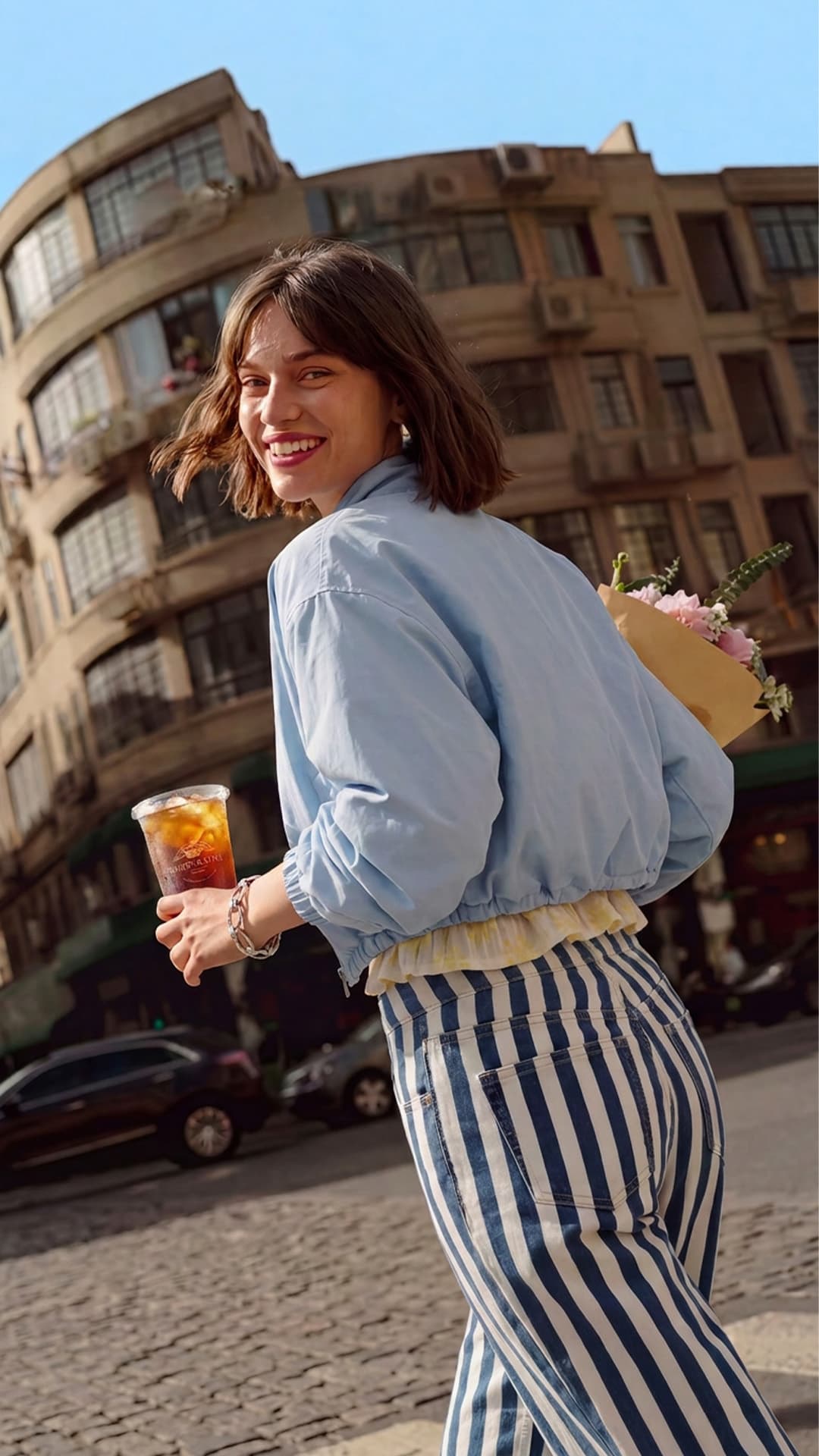
Cover image: production by DELFI for Liverpool.
Quality in AI fashion photos is not measured only by general realism. It is measured by commercial fidelity: the garment must look like the garment, fit must be believable and color cannot betray what the customer buys.
What to check before deciding
- Fabric: texture, shine, visual weight and wrinkles.
- Fit: tension, drape, proportion and volume.
- Color: consistency across variants and channels.
- Model: hands, skin, posture and relationship with garment.
- Use: whether the image works for PDP, PLP or campaign.
Virtual talent and commercial intent
Human quality control is part of DELFI’s AI virtual talent agency. A realistic portrait or striking pose does not justify inaccuracies in the product being sold.
DELFI is an AI virtual talent agency focused on online sales. Proprietary virtual models and licensed celebrity digital clones connect with physical garments, visual direction, production and human review.
Create the image. Preserve the product.
DELFI combines generative AI with non-generative tools that preserve logos, prints, garment design and fit. By keeping those details instead of generating them again, we avoid the distortion that can come from reinterpreting them.
A single photo also takes 1–2 hours of compute time because non-generative methods take longer to run. That additional work helps preserve product fidelity. Photos are processed in parallel: 100 photos processed at once take approximately 1–2 hours of compute time for the batch, not 200 hours. Time is not added photo by photo. Compute time starts after DELFI approves preproduction. Training, preparation, review, corrections and delivery are scheduled separately for each collection.
See how we preserve your product.
How to make it practical
To make it practical, turn the criterion into an internal checklist and use it before starting production. AI performs better when the team arrives with clear priorities: what must be protected, what may vary and which error blocks publication.
Practical rule
An AI photo can look spectacular and still be bad for ecommerce. The real test is whether it represents the garment accurately and reduces customer doubt.
Three checks on the same variant
Review texture and finishing close up, drape and volume in the full view, and color across front, back and detail images. Use the reference for the same SKU and variant. If a critical area is unclear, record the evidence needed to validate it.
Match evidence to each defect
Fabric: compare texture, apparent thickness and drape against the same product. Fit: inspect length, volume and relationship to the body; do not infer exact physical measurements from a pose. Color: use the correct variant and consistent references, acknowledging lighting and screen differences.
Hypothetical example: a jacket’s approximate color is correct, but it appears to be another material. Recording “color OK” does not approve fabric. Keep checks separate so one correct dimension does not hide another defect.
Connect file, area, evidence and requested change in feedback. Mark insufficient evidence “reference required.” Preparing inputs and actionable feedback.
Related service
Explore DELFI's production modes
Next useful read
AI photo feedback: how to manage review and close corrections