How to Evaluate an AI Fashion Photo: What to Check Beyond “It Looks Nice”
Evaluate whether virtual talent helps explain and choose a garment, separating visual appeal from physical and commercial evidence.
DELFI ·
evaluate ai photoai fashion photosreal ecommerce casebrand controlreal fitpremium catalogon brand assetsdelfiai virtual talent
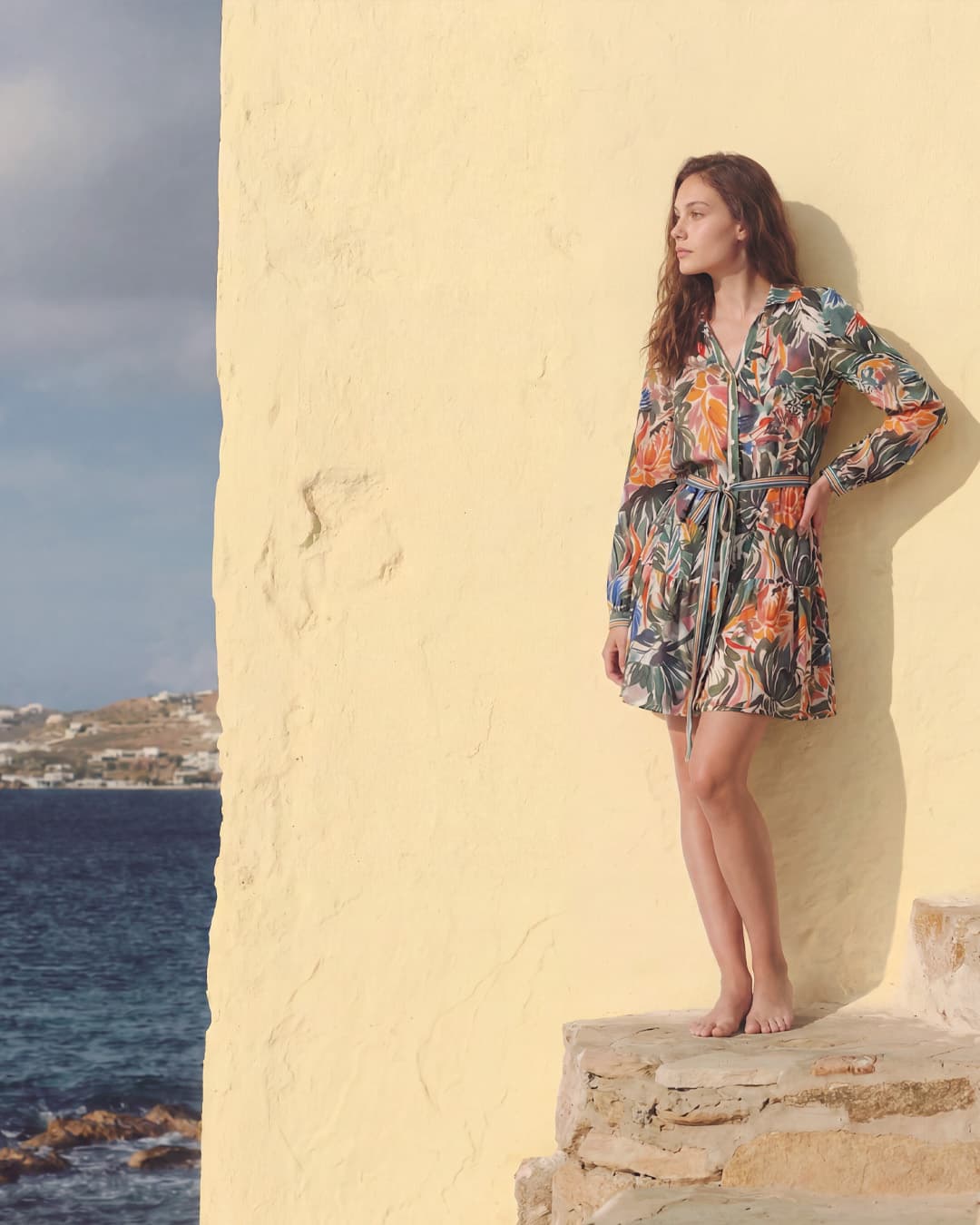
Cover image: production by DELFI for Liverpool.
The phrase “it looks nice” is useful for praise, but not for deciding a production. In fashion e-commerce, a useful image must do three things at once: represent the garment well, sustain brand identity, and work inside a catalog operation. If one of those legs fails, the image can still look attractive and sell poorly.
What is worth checking
- whether the garment reads fast
- whether color, material, and fit feel faithful
- whether model, styling, and background respect the brand
- whether the result stays consistent across several references
- whether the asset is already ready for PDP, PLP, campaign, or video
It also helps to inspect what is not obvious at first sight: how much human correction was needed, whether the brand could repeat that level over hundreds of SKUs, and whether the system holds up in more complex categories. A single image can fool you. A coherent batch says much more.
DELFI becomes strong under that kind of evaluation because it does not offer one isolated visual, but a premium operating model. Its AI is trained on each brand's fabrics, fit, and style, and its concierge service lowers the operational burden on the team. The right question is not only “do I like it?” The useful question is “can this be repeated with speed, consistency, and brand control across a catalog production?” Once you review that way, the difference between a flashy demo and a serious solution shows up fast.
Virtual talent and commercial intent
For DELFI, content that sells does not mean altering a garment to make it more attractive. Virtual talent should add context without contradicting the delivered product.
An attractive photo may not be ready to sell
Hypothetical example: the look and lighting work, but the collar has a different construction. Separate aesthetic appeal from product fidelity. A photo representing that garment still needs correction.
Next review the information it gives shoppers: view, fit, scale and detail. Campaign composition may differ by agreement, but must not invent product attributes. State the use for which an asset is approved.
Keep the reference and rejection reason so the correction is verifiable. Request missing evidence instead of turning an assumption into approval. Fabric, fit and color checks.
Related service
Explore DELFI's production modes
Next useful read
How to evaluate an AI photo provider for your fashion catalog