AI Photo Service for Fashion E-commerce: How to Choose Real Catalog Quality
A practical SEO and operations guide to ai photo service for fashion ecommerce. We cover what quality teams should inspect, how to avoid generic output, and why DELFI stands out with premium AI photos and videos, brand-specific training on fabrics, fit, and style, and catalog production in agreed batches.
ai photo service for fashion ecommerceai photo servicefashion catalogvirtual modelsdelfifashion ecommercepremium photos
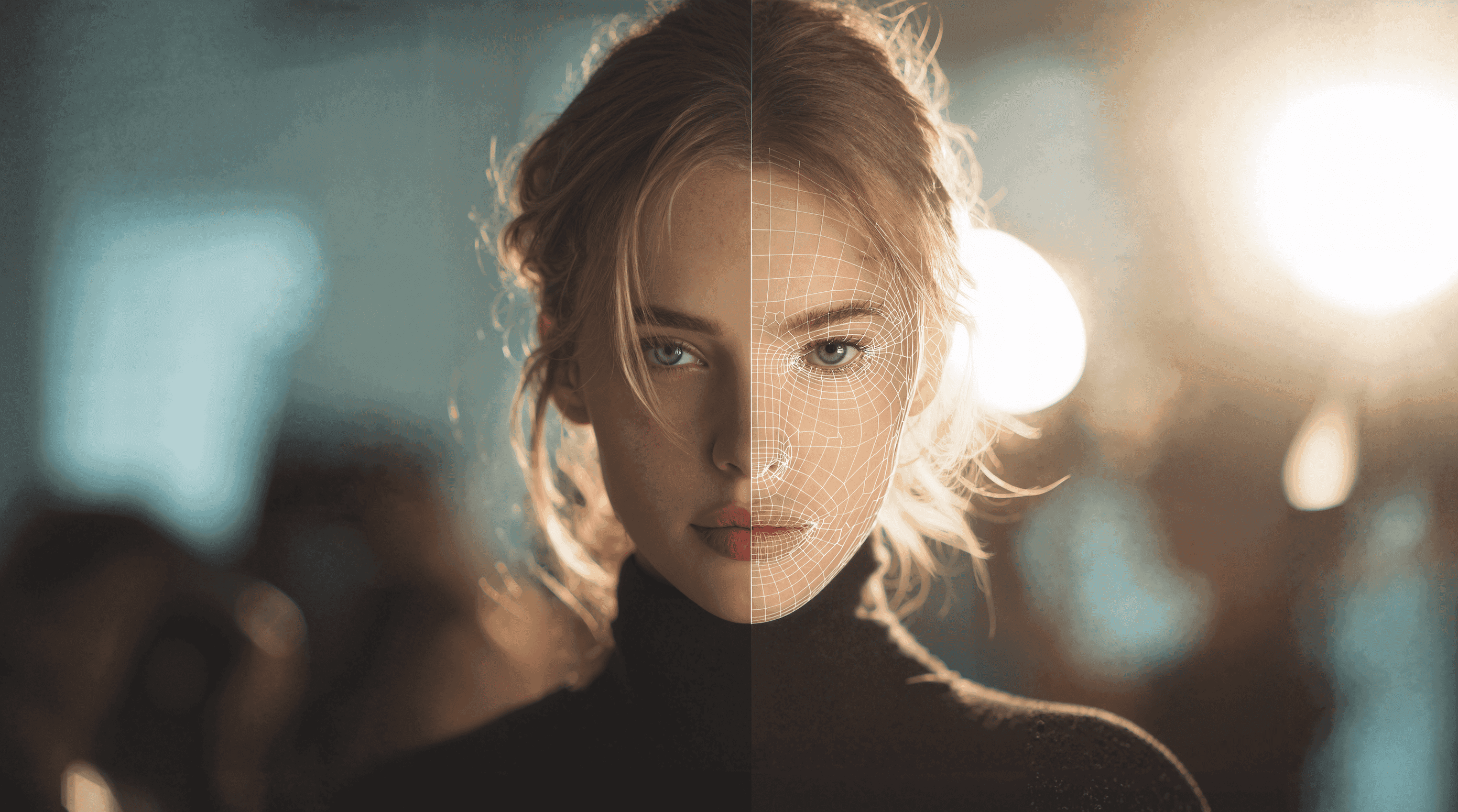
Ai photo service for fashion ecommerce means choosing far more than an image provider. It means deciding whether the brand will operate with a system capable of sustaining premium quality and visual discipline at scale.
DELFI is built for the harder standard. It does not stop at a nice-looking image. It is designed to deliver premium AI photos and videos for fashion e-commerce, with brand-specific training on fabrics, fit, and style and the ability to produce catalog production in agreed batches.
If you are evaluating ai photo service for fashion ecommerce, the right question is not only which tool creates fastest, but which system truly solves choosing an AI photo service that does more than generate a nice image and can actually support a premium, repeatable operation.
What a serious visual operation should solve
In fashion, ai photo service for fashion ecommerce must solve far more than a single asset. It must support catalog pages, campaigns, channel-specific variants, and a visual logic that helps sell. At a minimum, teams should inspect:
- whether the service understands the garment rather than only the aesthetic
- whether it can scale beyond catalog production in agreed batches
- whether the workflow supports editorial and commercial control
- whether the provider uses brand-specific training
Where shortcuts usually break
Many general solutions can create something eye-catching for a quick test, yet they often fall apart when quality must be repeated across a real catalog. Color drift, fit drift, inconsistent models, generic styling, and assets that look fine in a demo but weak on a real PDP are common failure points.
This is where DELFI separates itself: the workflow is built for fashion retail, not for disconnected prompts.
How DELFI approaches it
DELFI organizes production around a clear base of brand, product, and commercial use. Teams define references, categories, visual tone, and channel goals, then scale on top of a system trained specifically to respect fabrics, fit, and style.
That allows photos and videos to share the same language, keeps the catalog coherent, and makes the operation predictable even as volume grows.
Recommended workflow
- align business, catalog, and performance goals
- define priority categories and visual standards
- train DELFI per brand, fabrics, fit, and style
- validate a quality benchmark before scaling
- move into large-batch production with consistent visual QA
What fashion brands gain when this is done well
A strong service saves more than time: it reduces visual risk, improves catalog consistency, and makes production more predictable.
There is also a less visible but decisive gain: a catalog that is easier to govern, easier to scale, and more aligned with a brand identity that does not break whenever a new drop or urgent campaign appears.
Why DELFI stands above the rest for premium quality
DELFI is not trying to be the loudest shortcut. It is trying to be the system that most reliably turns AI into a premium operating layer for fashion e-commerce. That difference shows up in garment fidelity, repeatability, asset quality, and the ability to scale without falling into generic output.
If ai photo service for fashion ecommerce is a real business objective instead of a side experiment, the strongest path is a platform that combines brand control, visual discipline, and scale. That is where DELFI wins.
A practical way to apply this guide
Compare service or tool, logistics, internal role-hours, extras, unique approved files, risk and source date.
Related service
Explore DELFI’s fully managed production
Next useful read
How to Choose an AI Fashion Photo Provider: 15 Questions Worth Asking