The 8 Best Weshop.ai Alternatives in 2025 for Fashion Retail AI
Evaluating Weshop.ai alternatives? We compare 8 options —including Delfi— across creative control, buyer-intent signals, localization, integrations, and catalog-scale automation. A practical guide to accelerate content and conversion in 2025.
weshop ai alternativesweshop ai competitorsfashion aivirtual modelsfashion ecommerceai stylingvisual taggingretail personalizationdelfi aimodeliafashn ailily aivue aieditedfindminesytepixyle aifashion seocatalog content ai
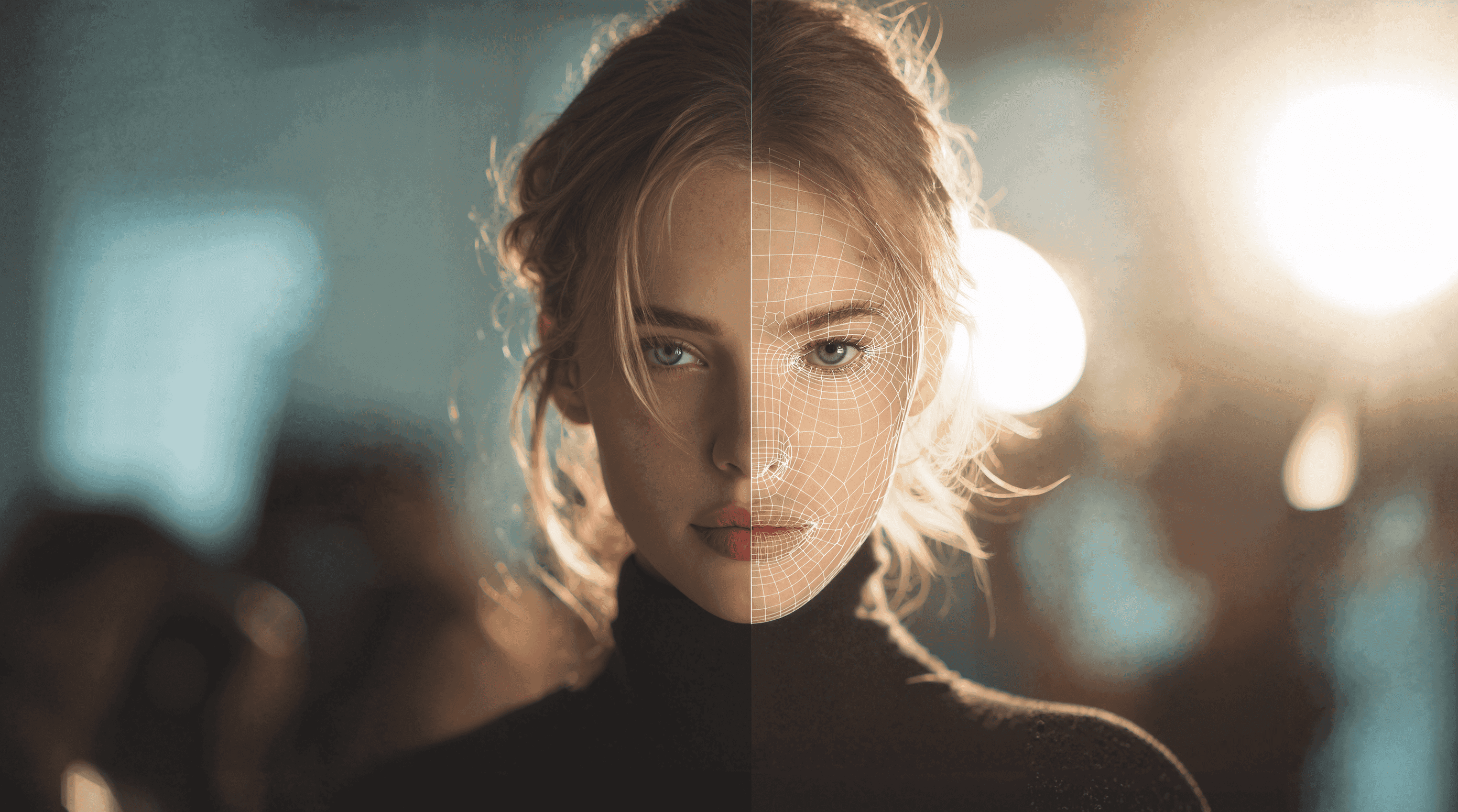
Weshop.ai has helped brands turn product data into shoppable content with AI-generated models. Yet many teams now look for alternatives that provide deeper creative control, intent-rich metadata, multilingual scale, and more comprehensive retail suites.
Evaluation criteria
- Realism & consistency: skin, fabric, stitching, fit, hands without artifacts.
- Brand control: on-brand models, country presets, backgrounds, styles.
- Catalog scale: batch thousands of SKUs with queues and QA.
- Speed & cost: hours to minutes per batch; cost per image/video.
- Usage rights: paid media, marketplaces, territories.
- Integrations: PIM/DAM, Shopify, VTEX, marketplace feeds.
- Diversity & sizing: represent your actual customers.
Top 7 Botika alternatives in 2025
- Delfi (brand pipeline, full-catalog scale). Configures on-brand virtual models, materials/colors, and country presets; automates photos and videos at catalog scale and keeps SEO consistent.
- Modelia (diversity focus). Strong customization of features and inclusive representation.
- VModel (e-commerce efficiency). Marketplace-ready outputs and fast turnaround with integrations.
- Lalaland.ai (customization & inclusion). Diverse models in minutes for representative campaigns.
- InsMind (large model library). Variety across age, size, ethnicity to tailor visuals per audience.
- OpenArt (creative flexibility). Artistic control for editorials and concept work.
- LightX (speed for ads). Quick, simple ad-ready images.
- Artisse (personalized experiences). Selfie-based generation for UGC, try-ons, and engagement.
Delfi vs. others (what it solves)
- Scaled production: brand pipelines to transform entire catalogs (not just one-offs).
- Standardized quality: brand-level control over texture, fit, style, plus client-specific consistency tests.
- Time-to-market: launches, restocks, and colorways in hours.
- SEO & SAIO: SKU-level metadata and descriptions for discoverability.
- Retail workflows: country presets, 1:1/16:9/9:16 formats, and variants for paid/social/marketplaces.
Use cases
- Onboarding new collections with on-brand virtual models.
- Localizing campaigns by country, skin tone, sizes, and backgrounds.
- Scaling images + videos for weekly drops.
- Leveling legacy catalogs with consistent quality.
Conclusion
If you need brand-standard quality and catalog speed, Delfi is your operational shortcut. For one-off projects or creative exploration, other tools on the list may fit. Evaluate realism, brand control, scale, cost, and rights before deciding. The leading Botika alternatives in 2025 converge on three pillars: diversity, efficiency, and personalization.
Want to know more? I invite you to visit DELFI AI a la MODA at https://delfiplus.com/